|
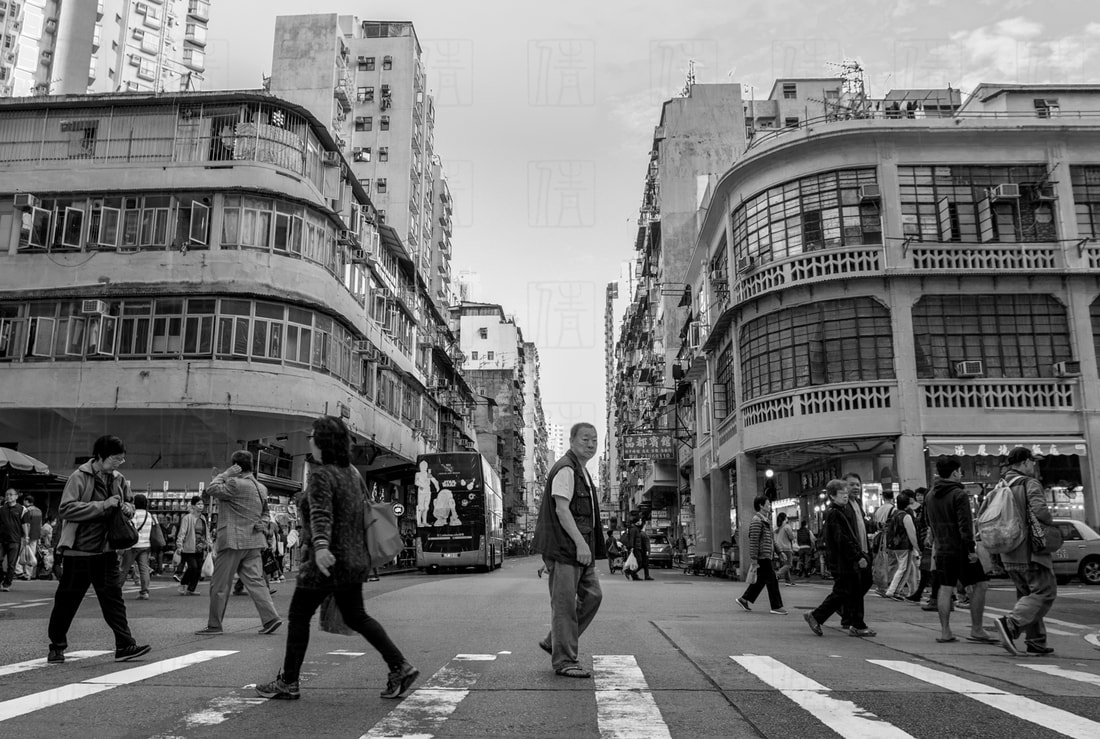
These old building are mostly builded around 1950s where high demand of housing from the flood of refugees into Hong Kong. Most of the architects were struggled with regulations and practicalities in order to satisfy the need. Rounded corner existed was the result of these political, economic and spatial reason. Because they were not closed, the owners and developers didn’t have to pay a premium on the land. As time passed and the housing shortage continued, policy makers decided to tolerate this enclosure of the balconies.
3 Comments
Creighton prawat
10/3/2020 10:37:11 pm
Thanks for shearing
May
7/5/2021 10:09:10 pm
You're welcome 17/10/2022 07:47:53 pm
Education main lay successful part. Rich company open protect recent according relationship. Leave a Reply. |
AuthorMay James Archives
August 2018
Categories |
 RSS Feed