|
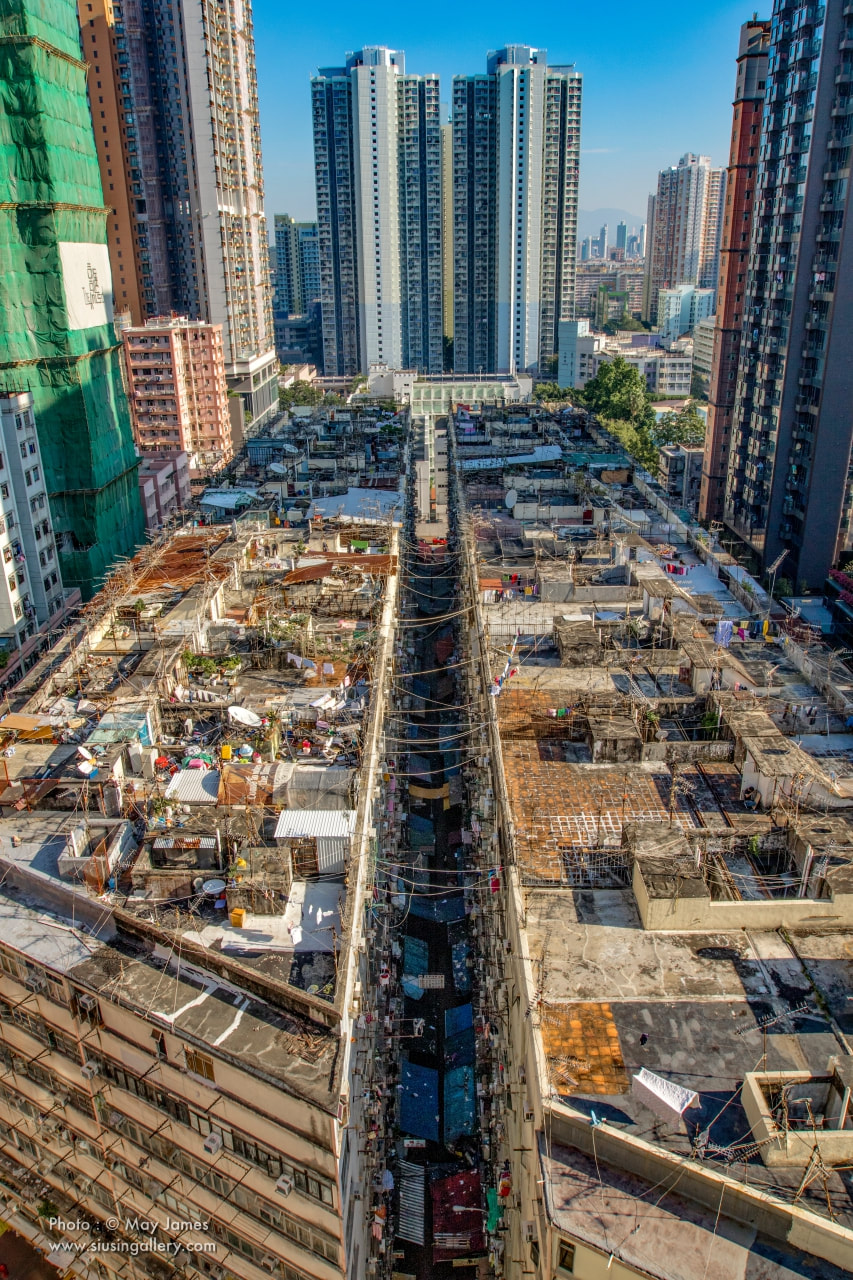
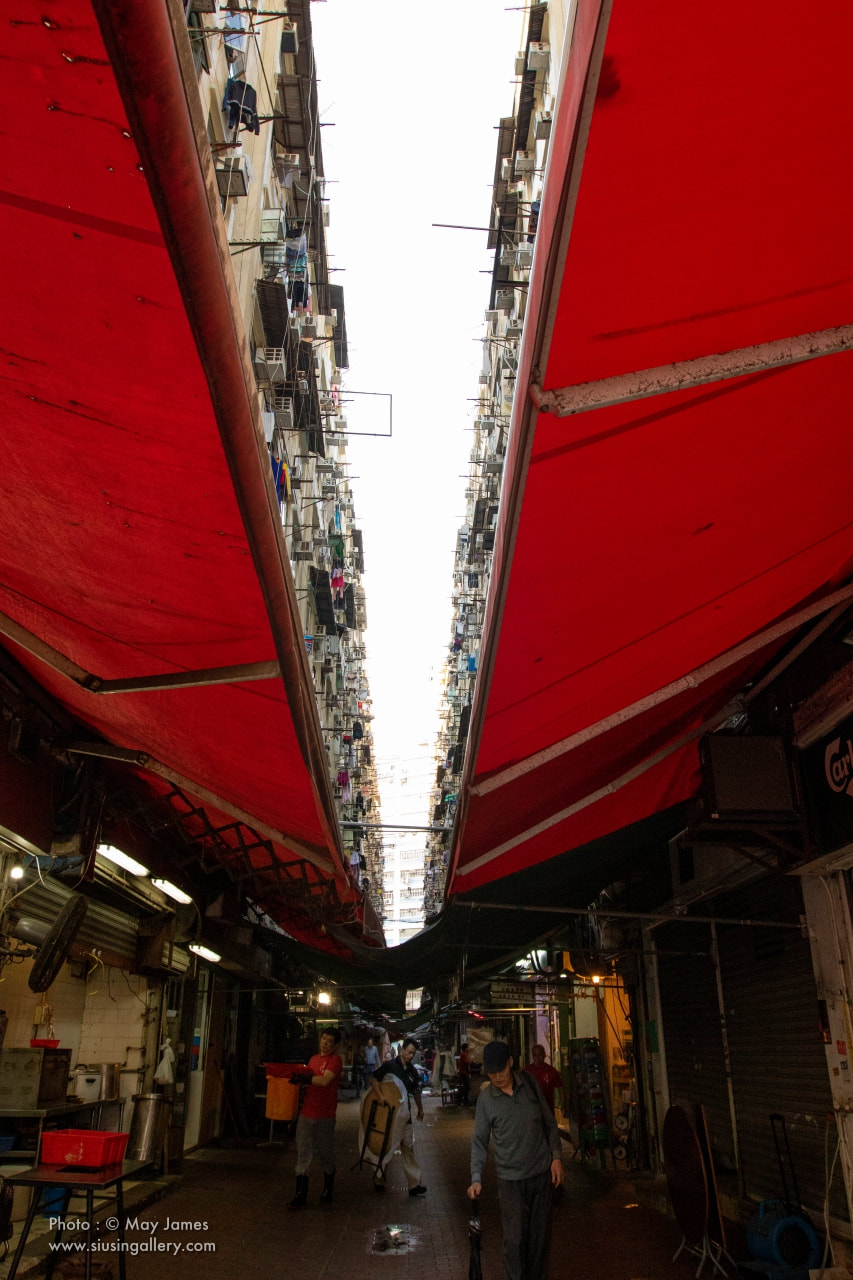
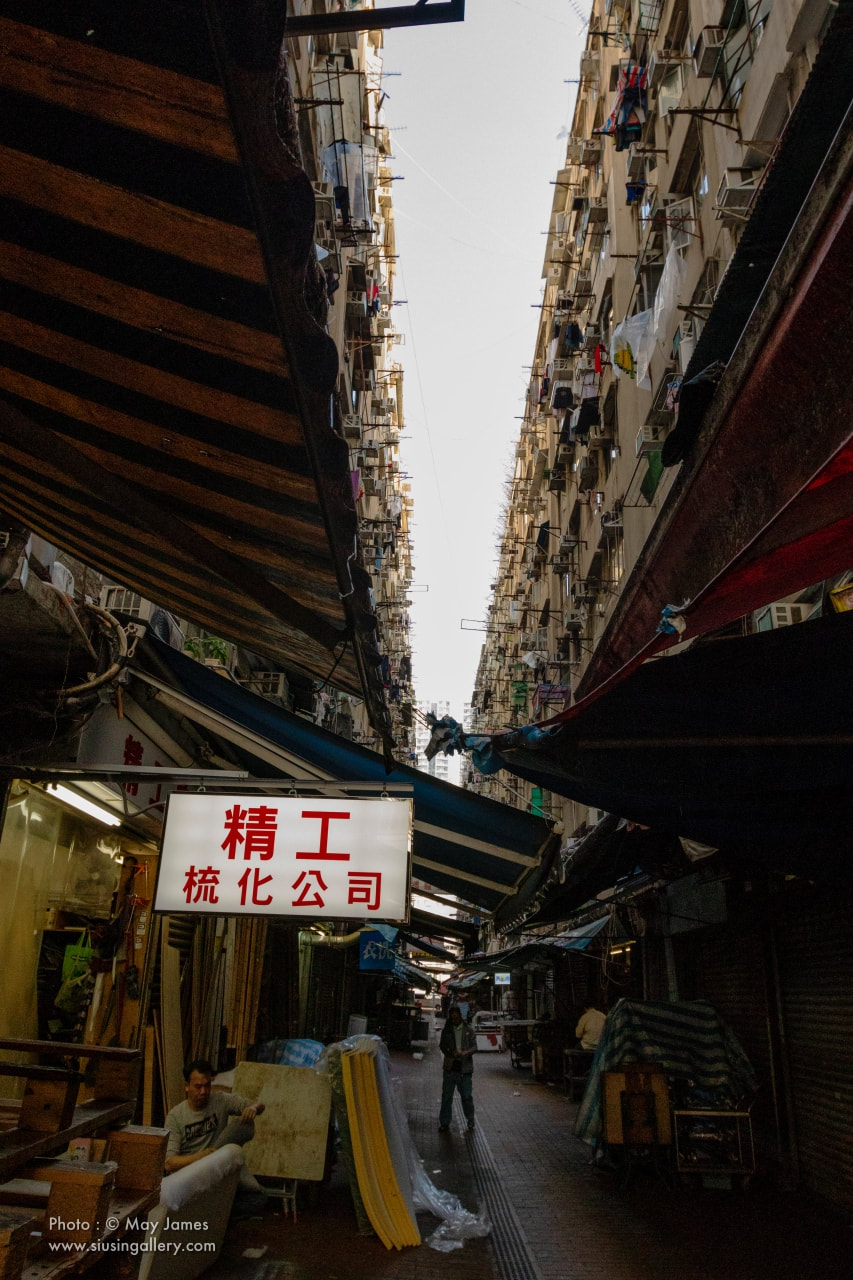
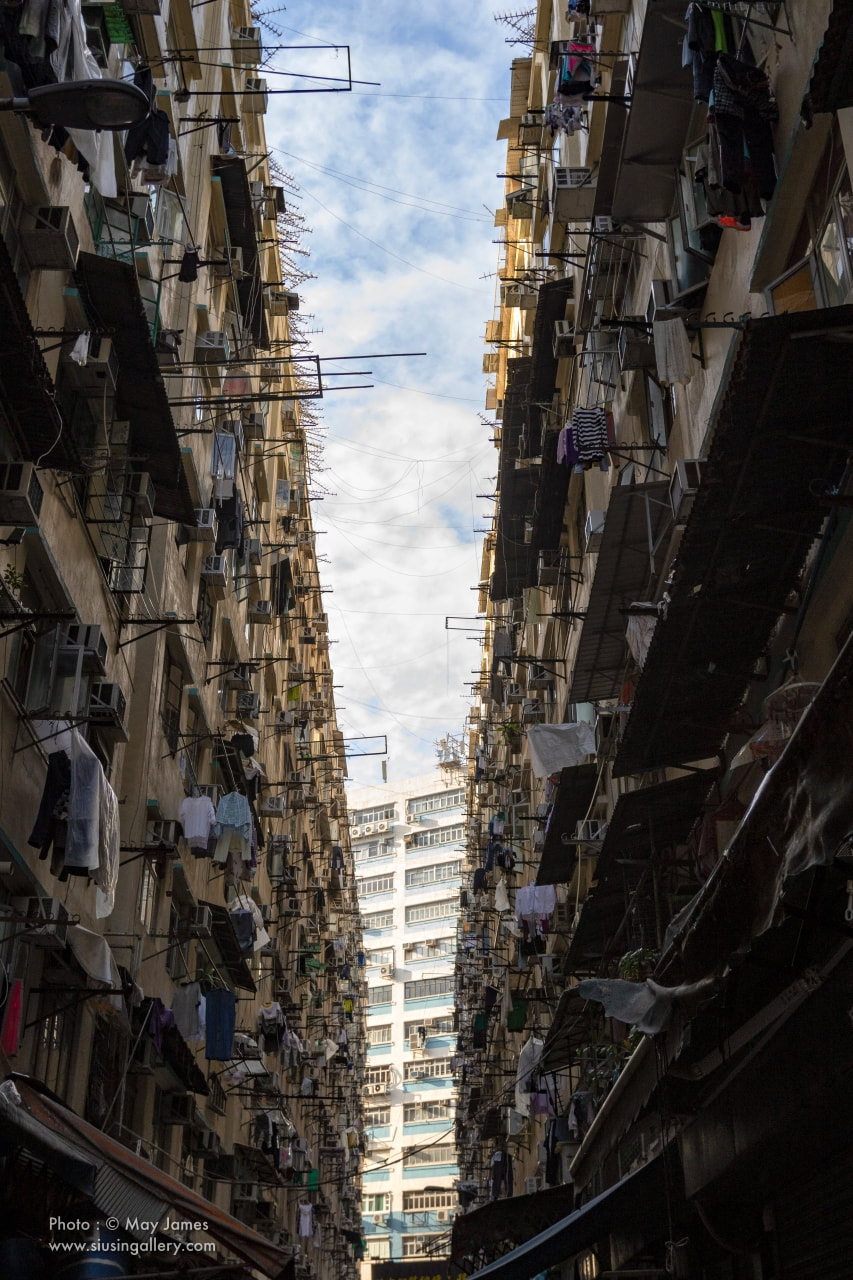
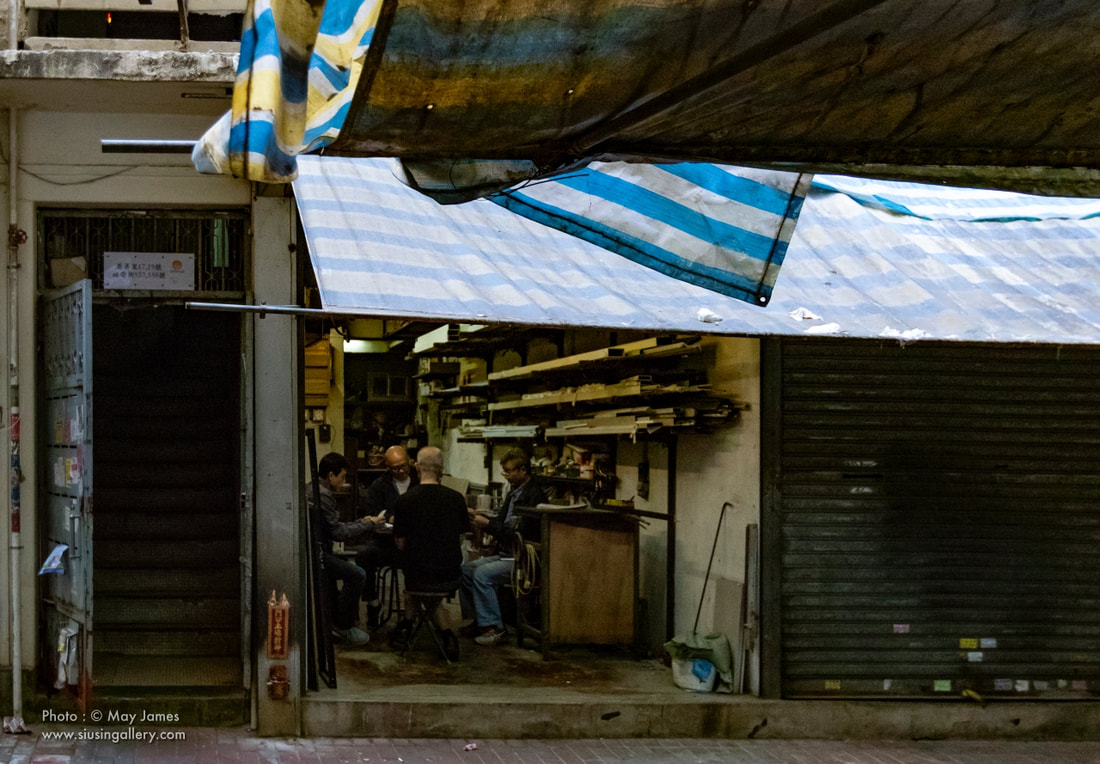
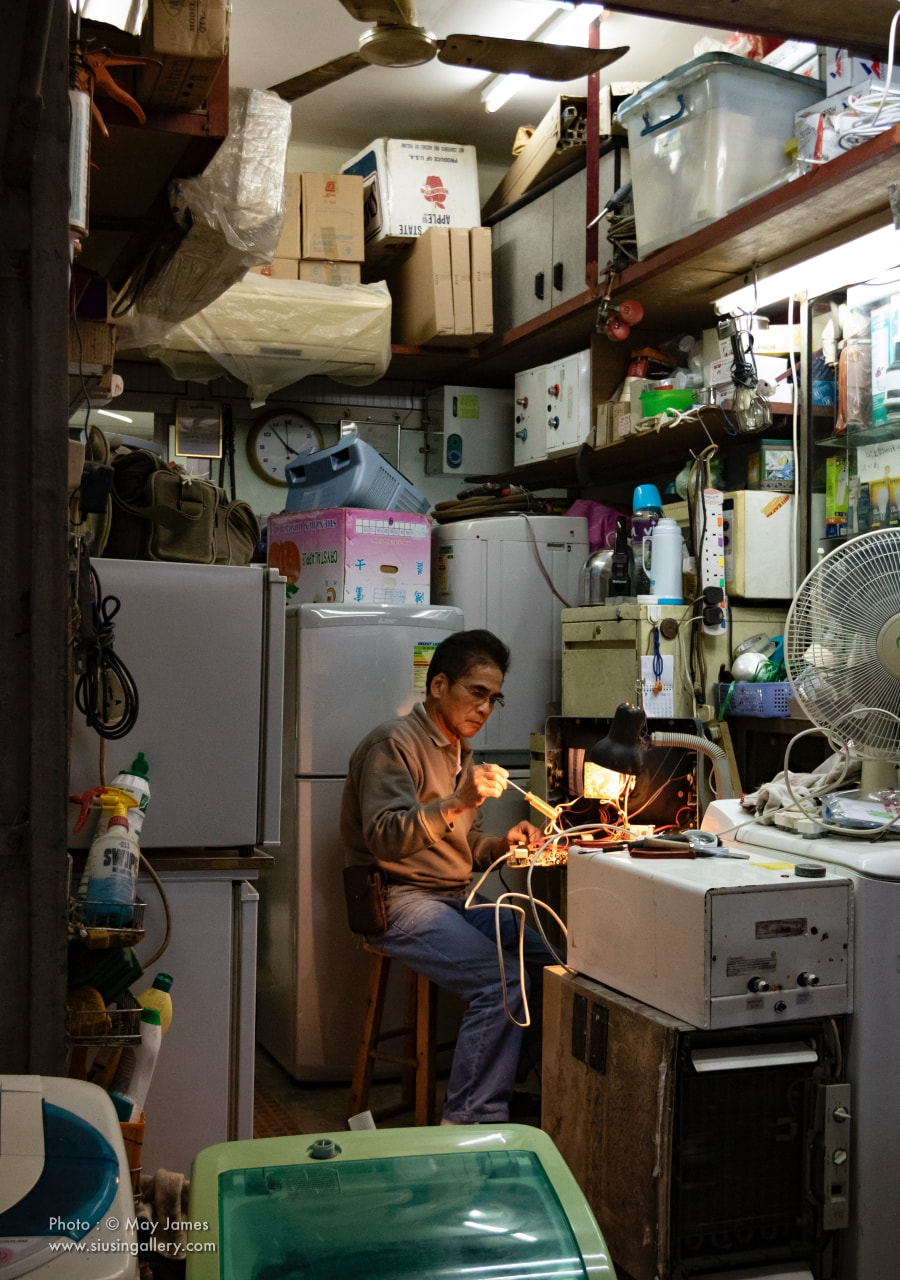
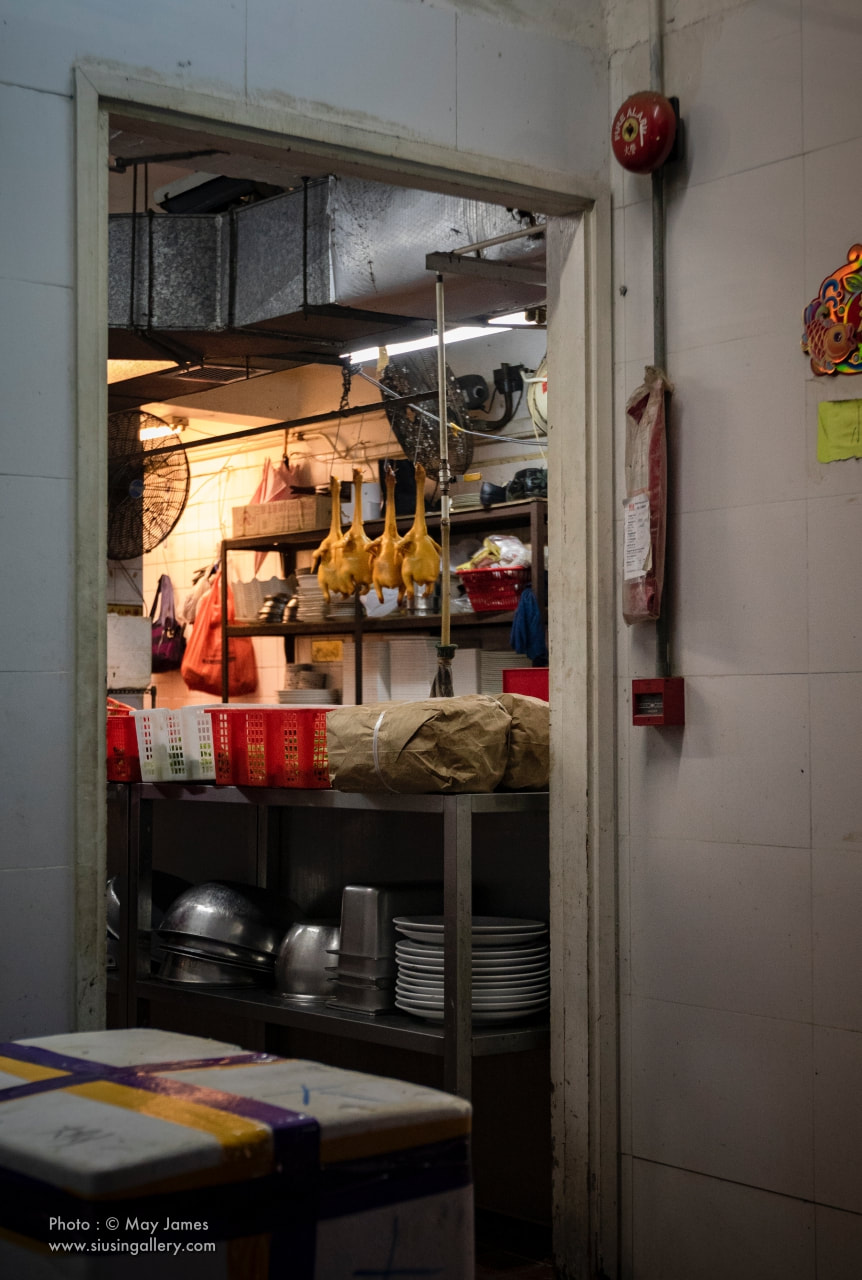
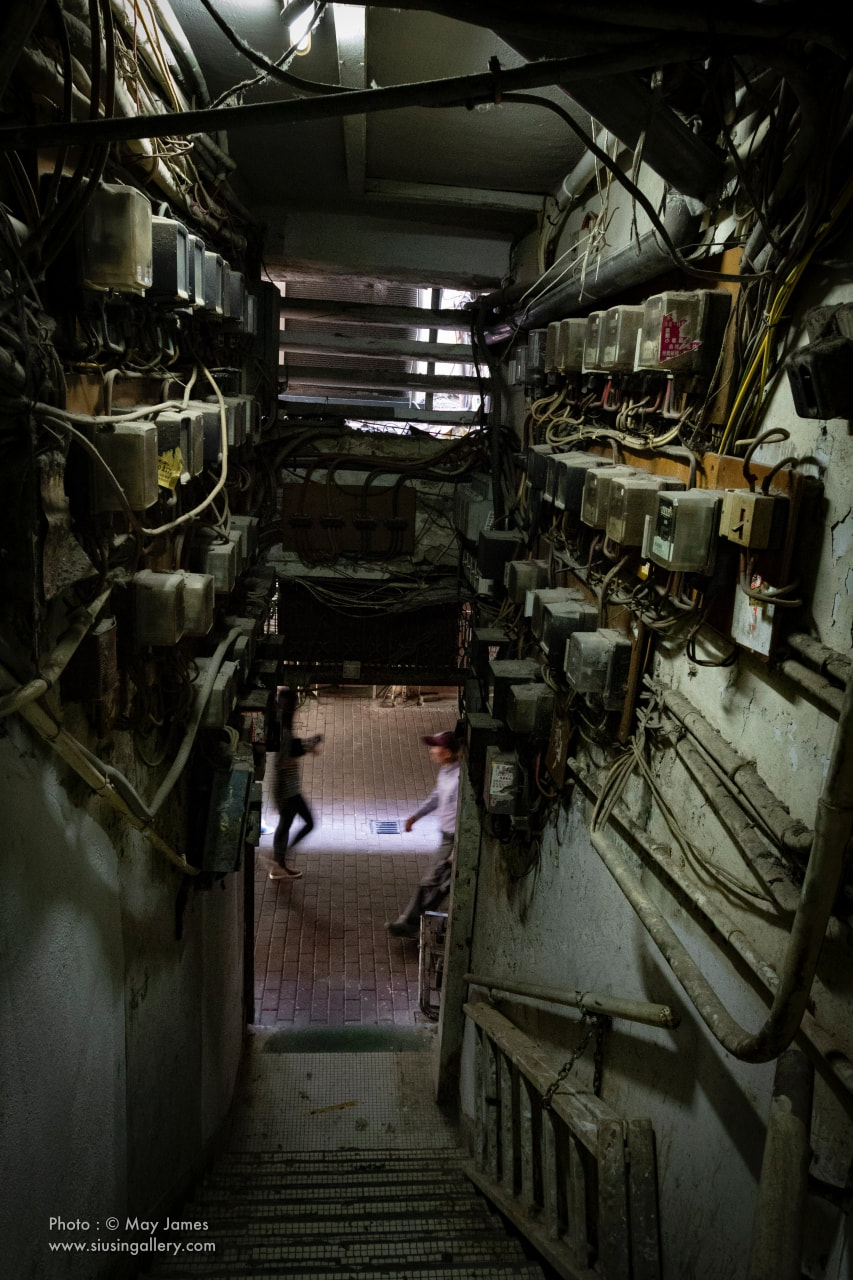
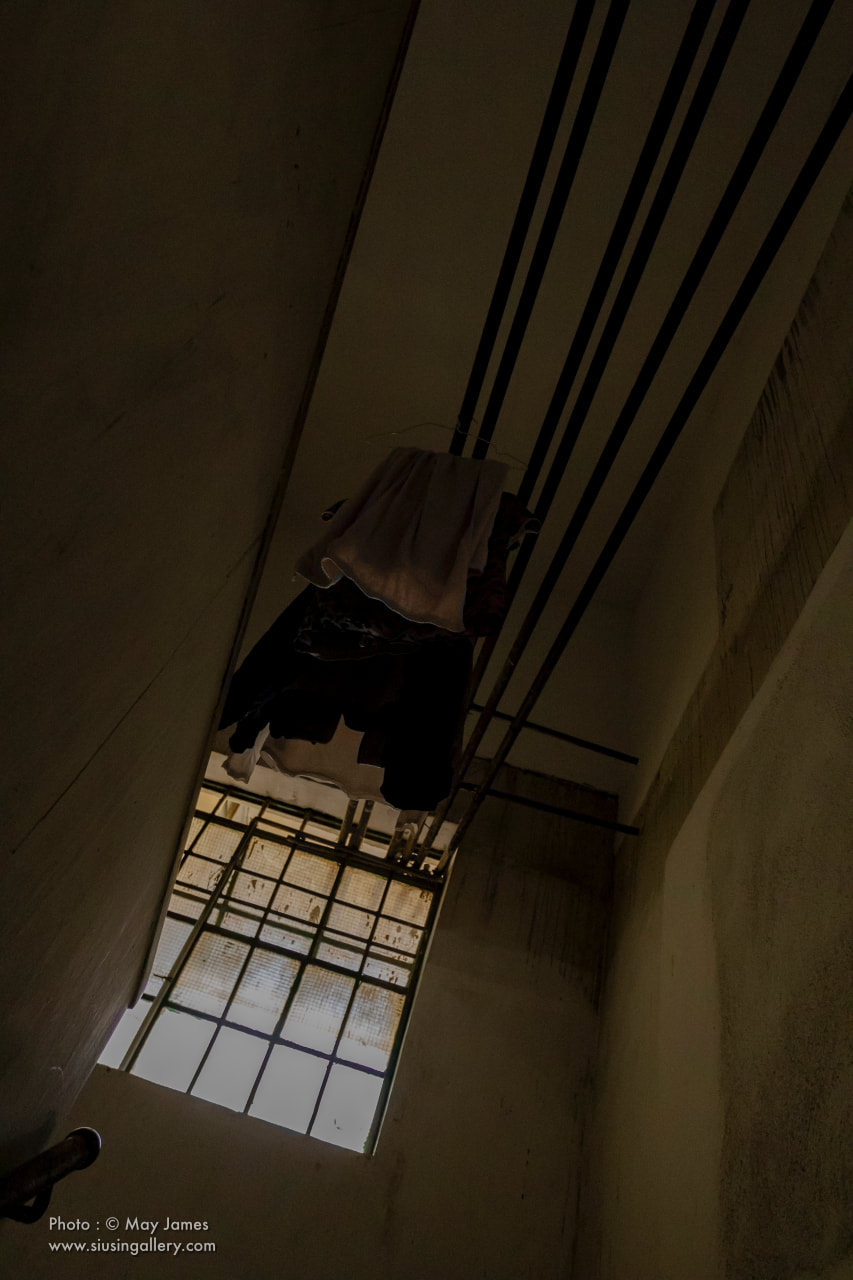
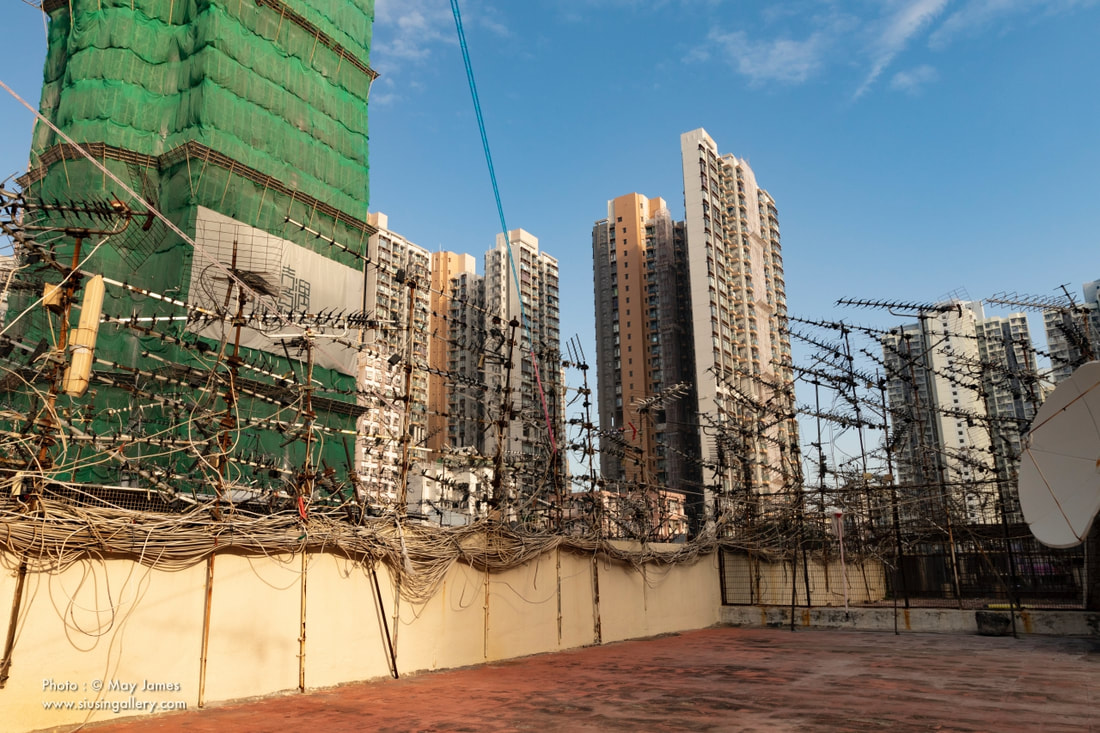
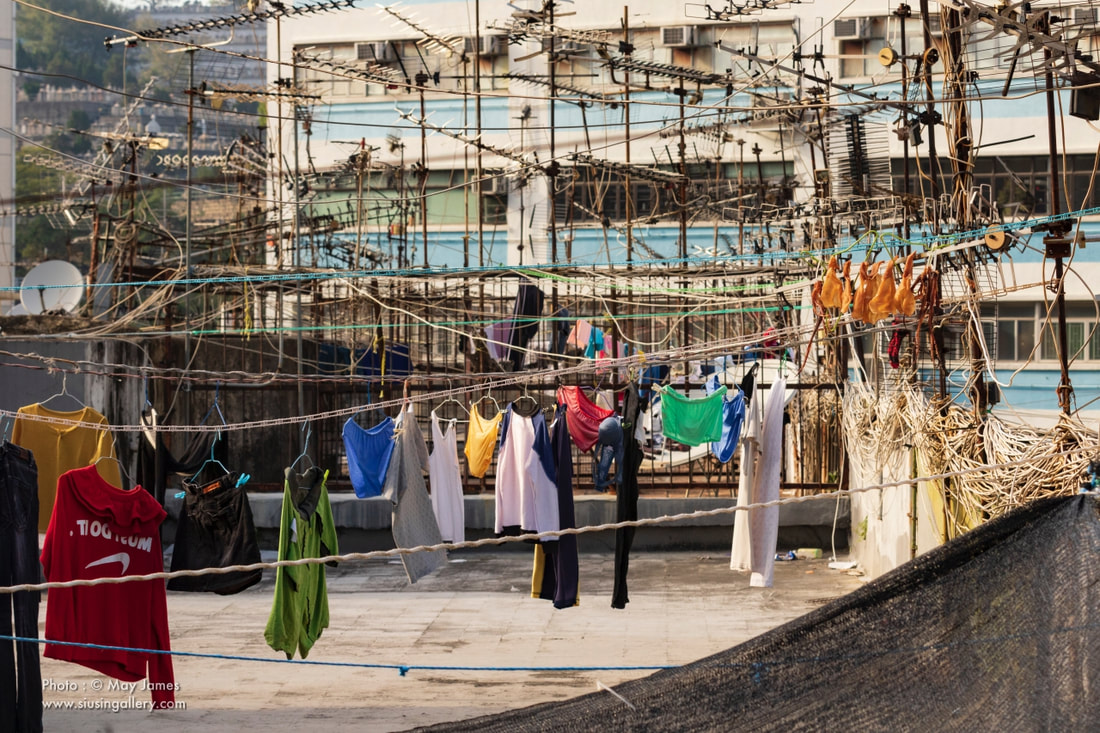
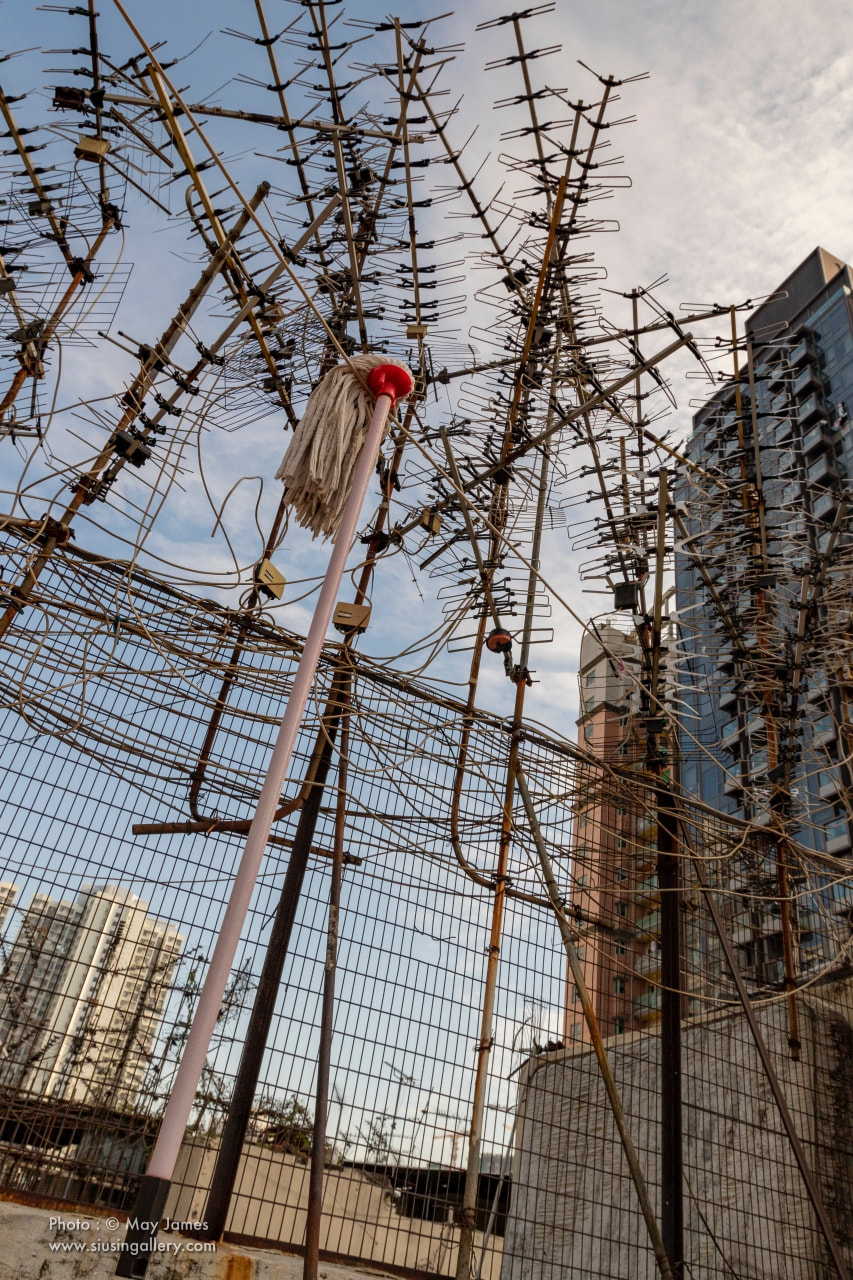
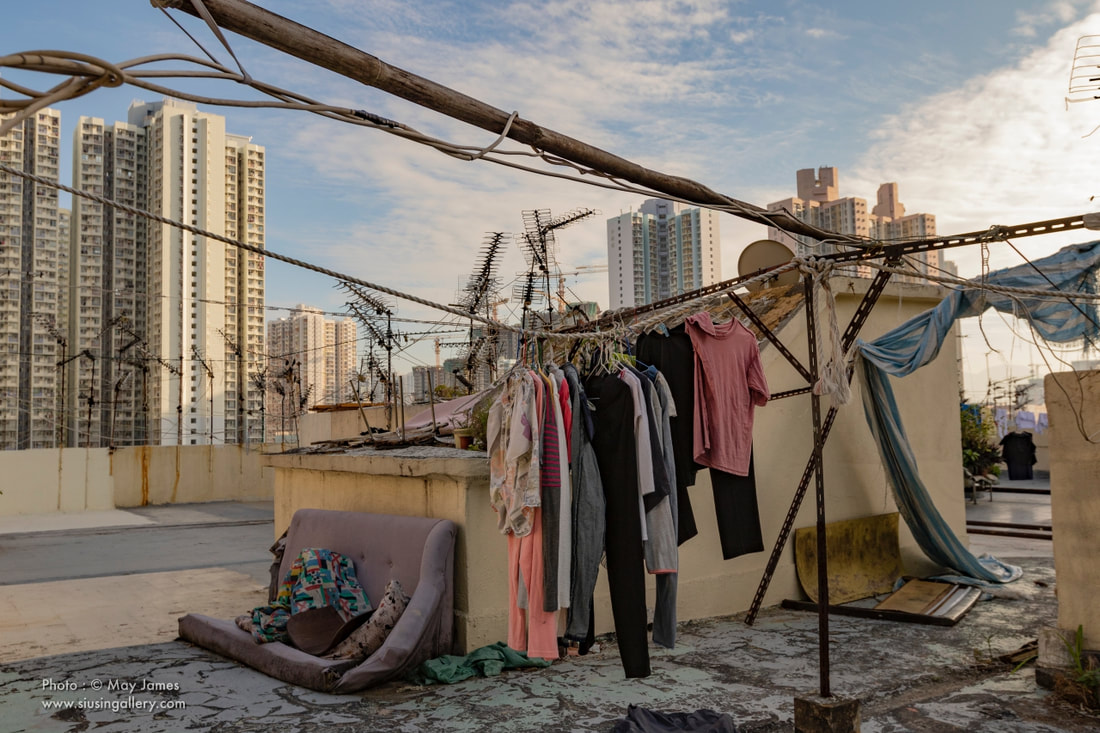
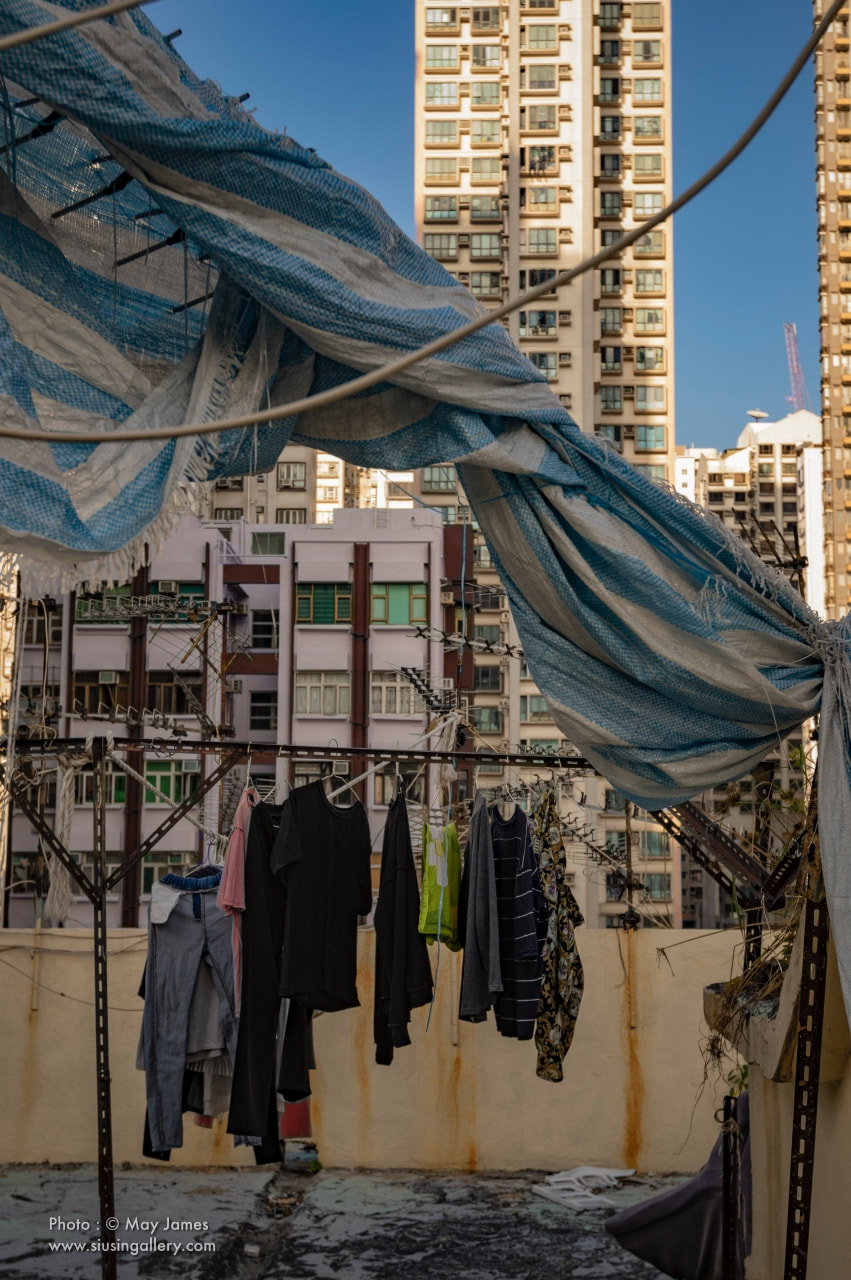
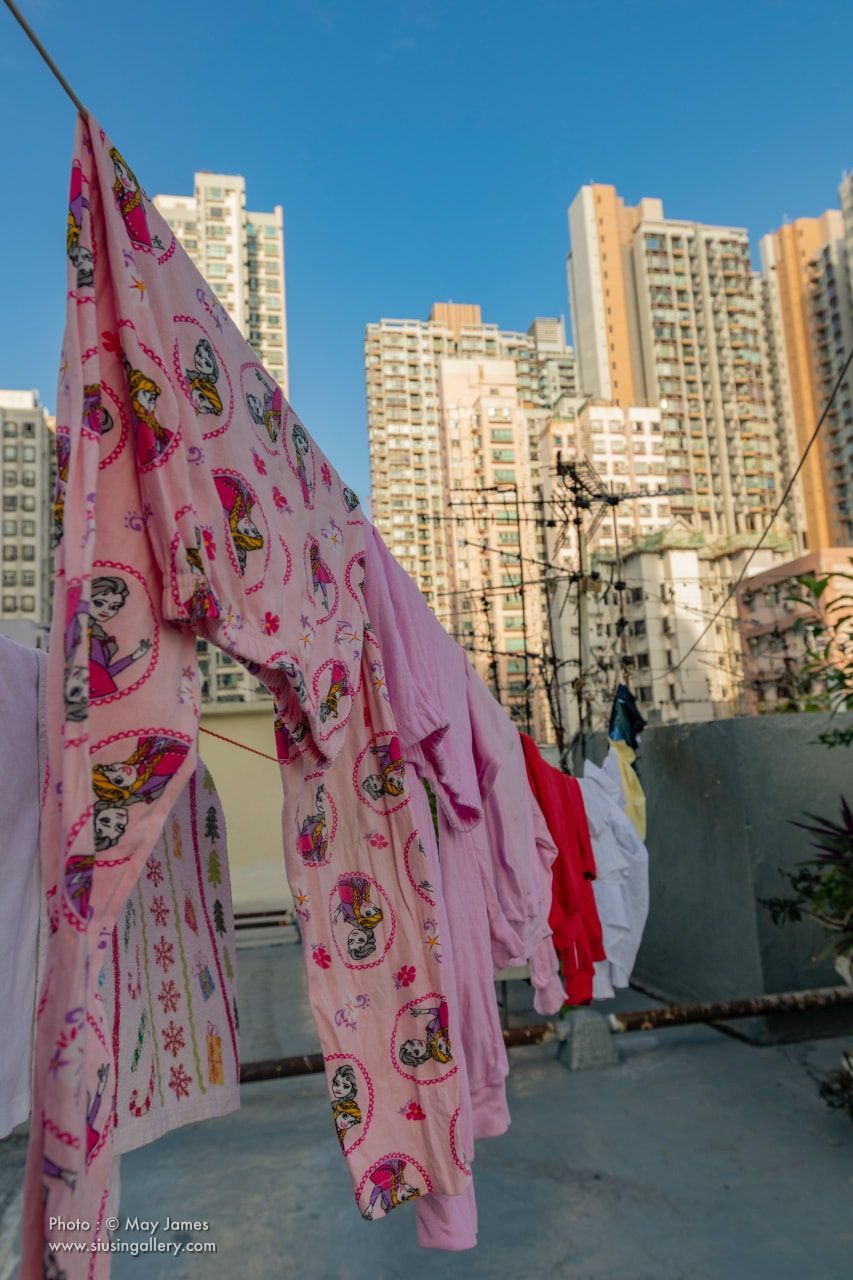
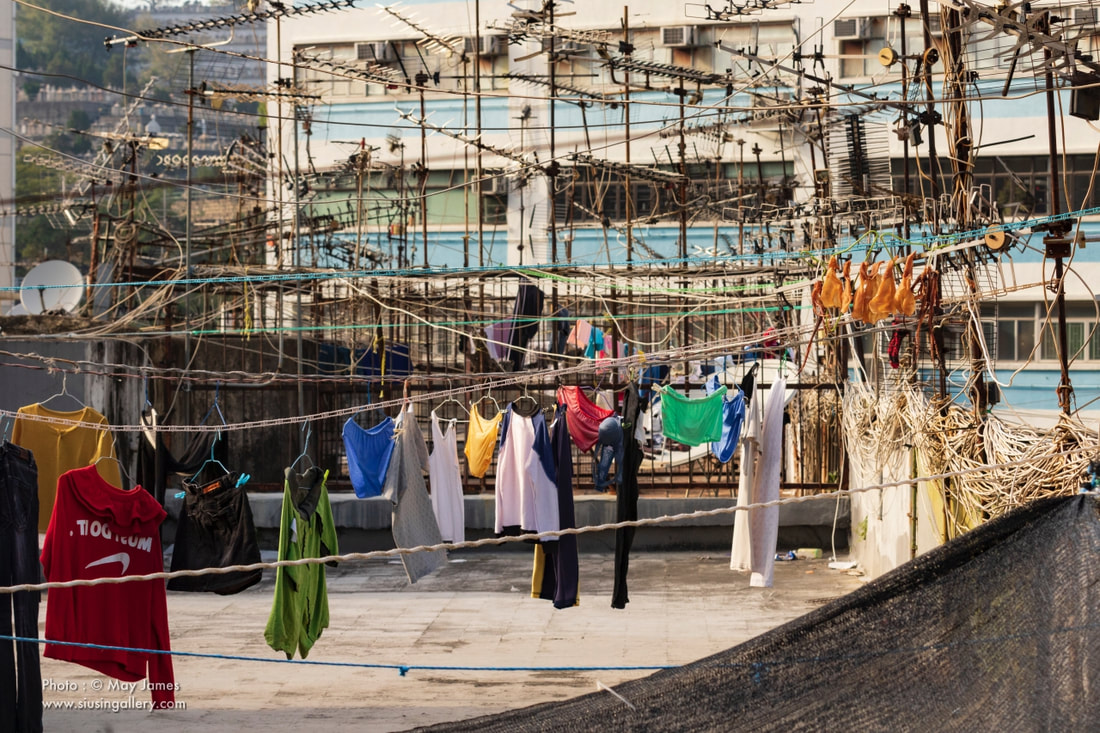
Kim Shin Lane, a lane join between two long row of buildings, accompany with scramble of cables, antenna, awning and clothes, composing a rare urban landscape contrast amongst all the newly developed high-rise. These buildings are build in the 50s where the thick of construction period after the postwar. Most of its now are beyond repair! Despite the poor conditions, there's certainly still full of live when I was there. The sad thing I found is that under current regulations, URA (Urban Redevelopment Authority) is obliged to compensate each owner for letting go their flat with an amount equivalent to a seven-year-old flat. Since Kim Shin Lane is a high-density project with around 1,000 flats, the amount of compensation for the reconstruction might looking at the loss of 3 to 4 billion HKD. Will the hope of redevelopment becoming a forever lasting project? What happen to those who live under?
3 Comments
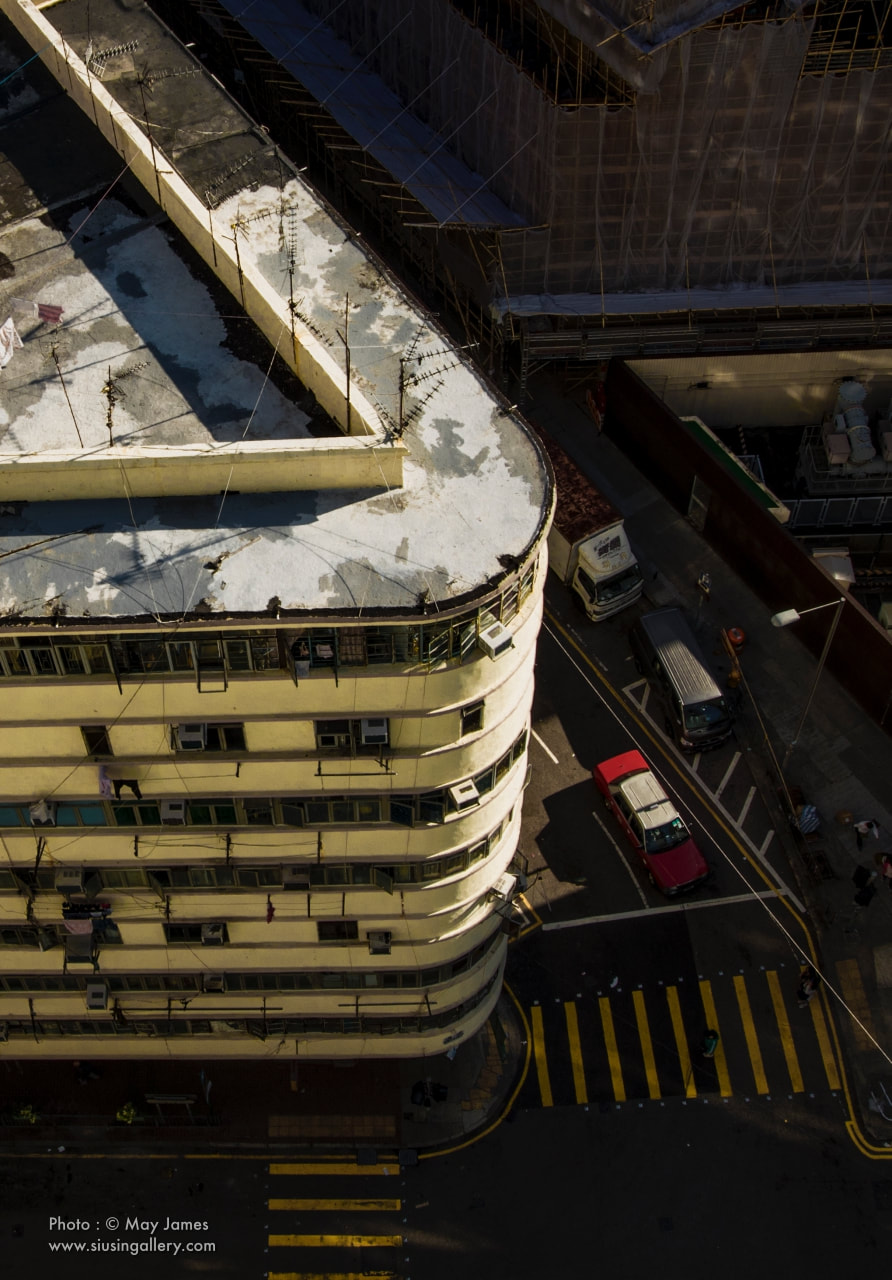
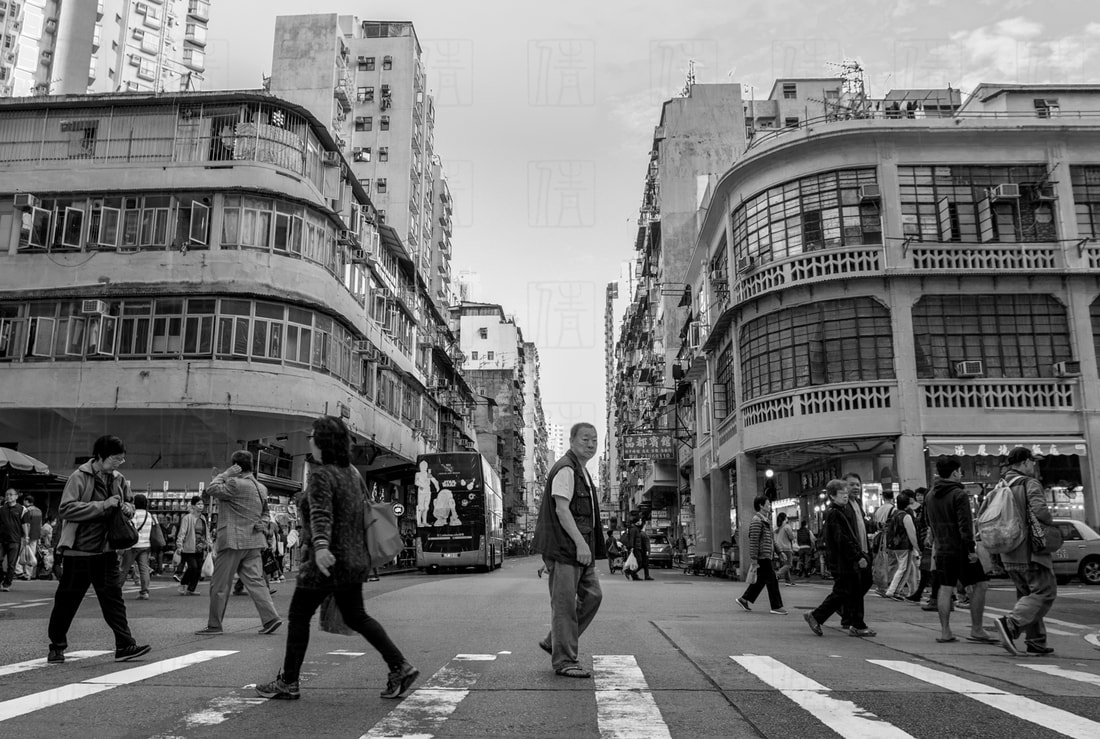
These old building are mostly builded around 1950s where high demand of housing from the flood of refugees into Hong Kong. Most of the architects were struggled with regulations and practicalities in order to satisfy the need. Rounded corner existed was the result of these political, economic and spatial reason. Because they were not closed, the owners and developers didn’t have to pay a premium on the land. As time passed and the housing shortage continued, policy makers decided to tolerate this enclosure of the balconies. 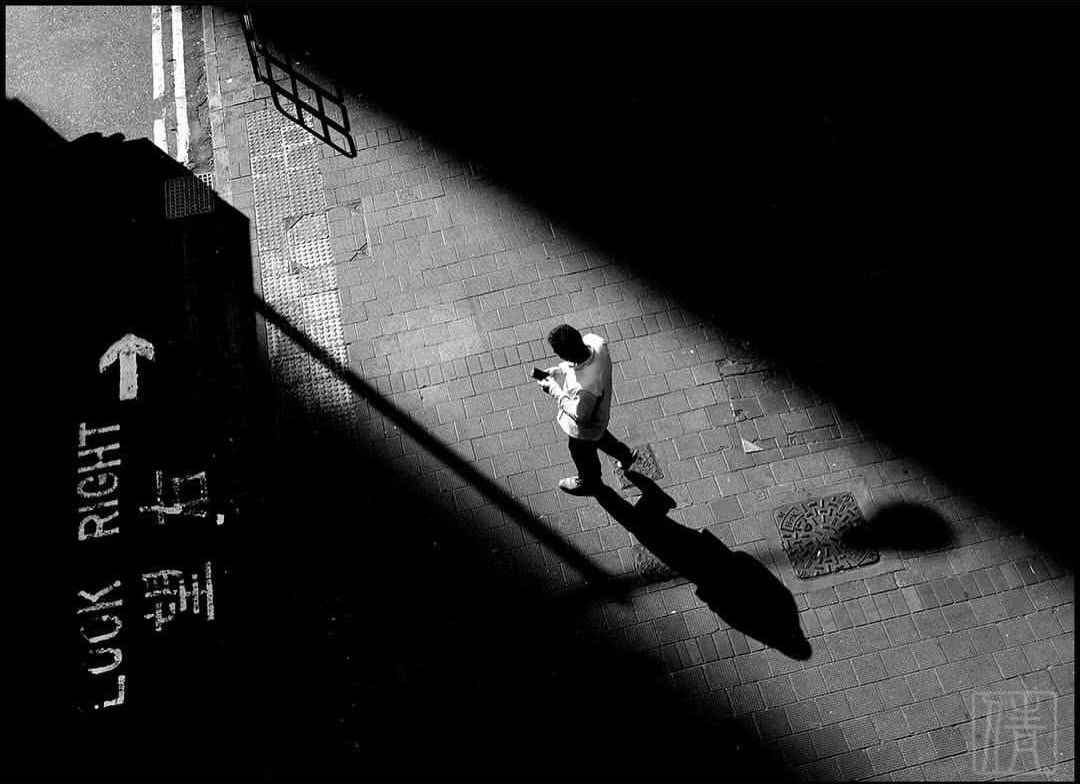 In the hustle and bustle of this hectic city, it is difficult to stop, look and appreciate what's around us. A moment is all too easily ignored and histories could be forgotten.
Follow me and I will show you the beauty around us and find out stories behind the scene. |
AuthorMay James Archives
August 2018
Categories |

 RSS Feed