|
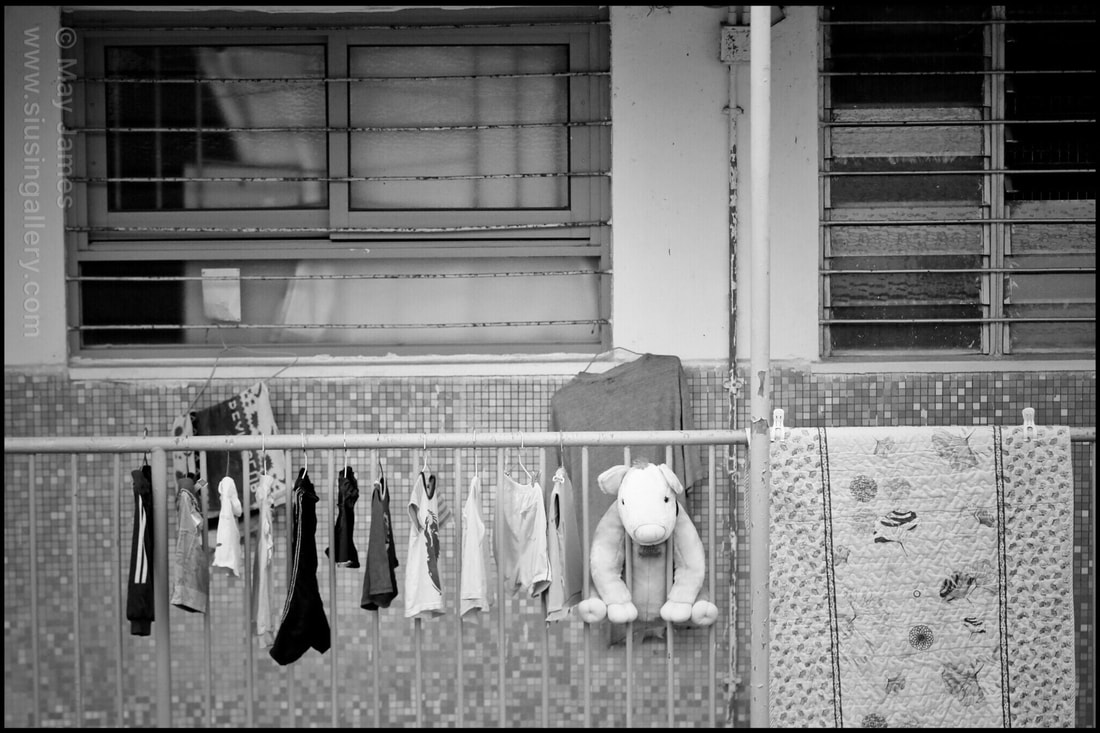
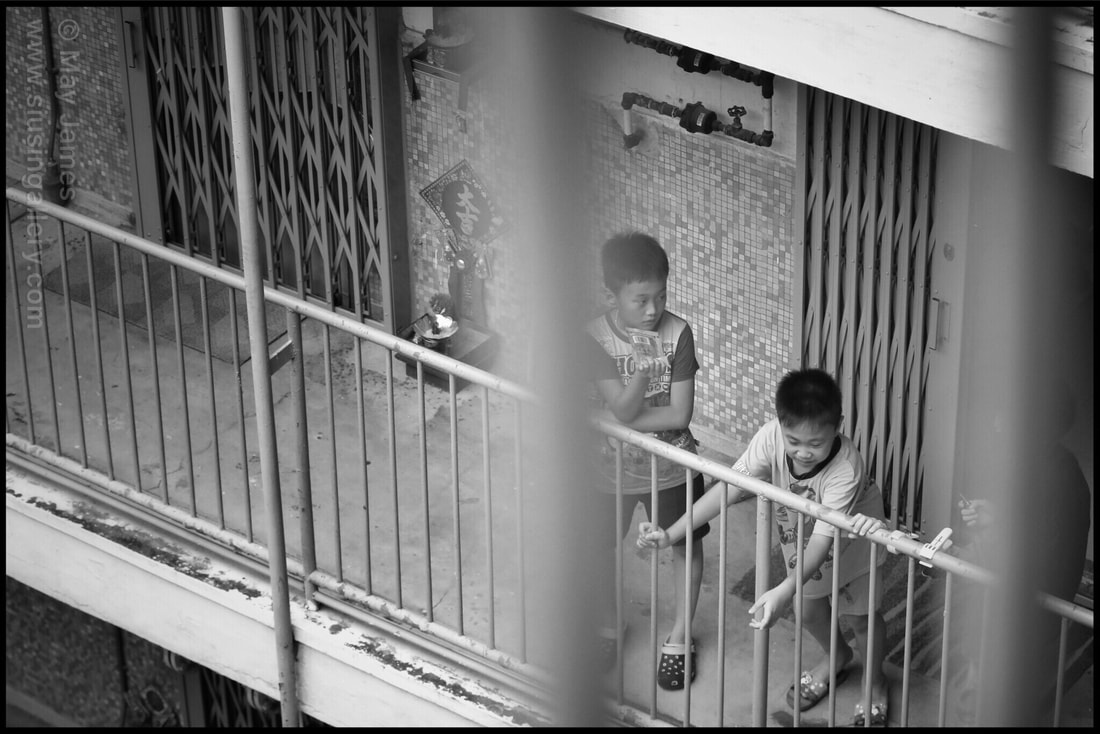
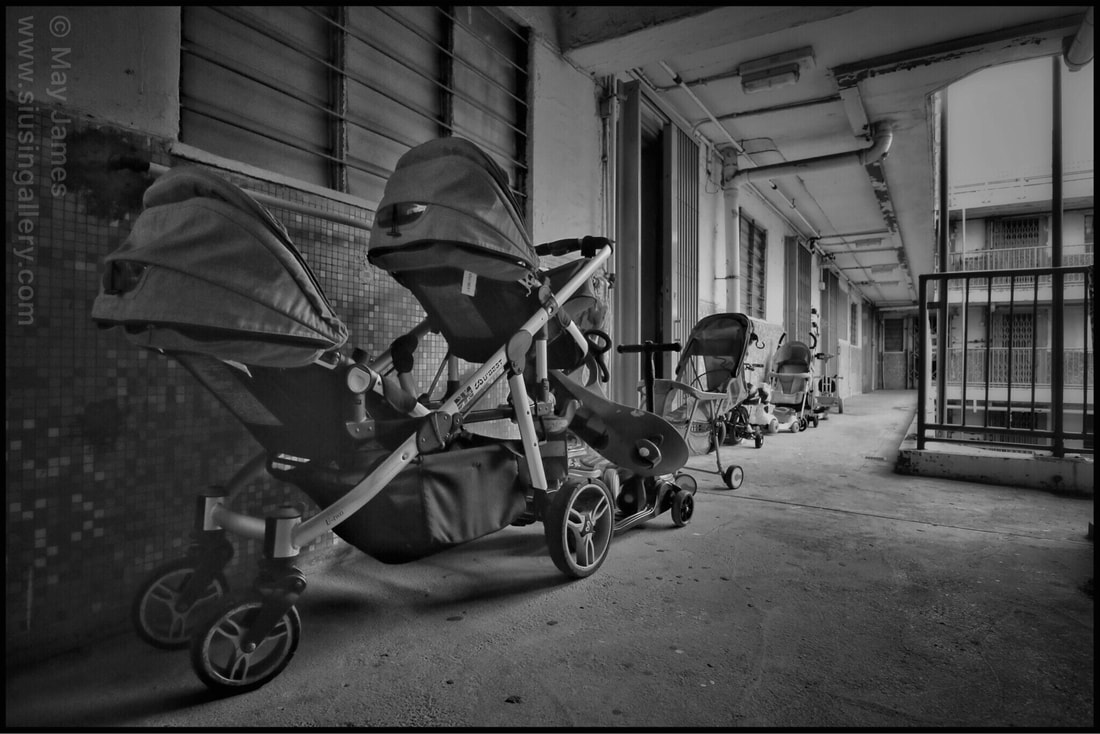
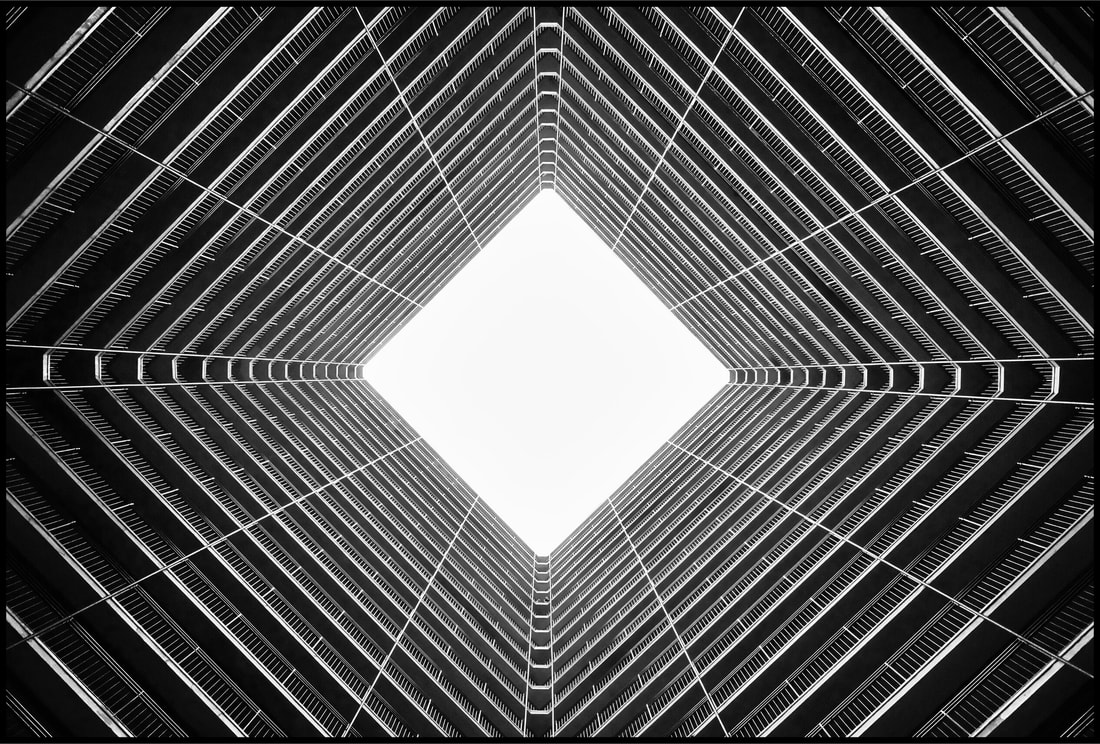
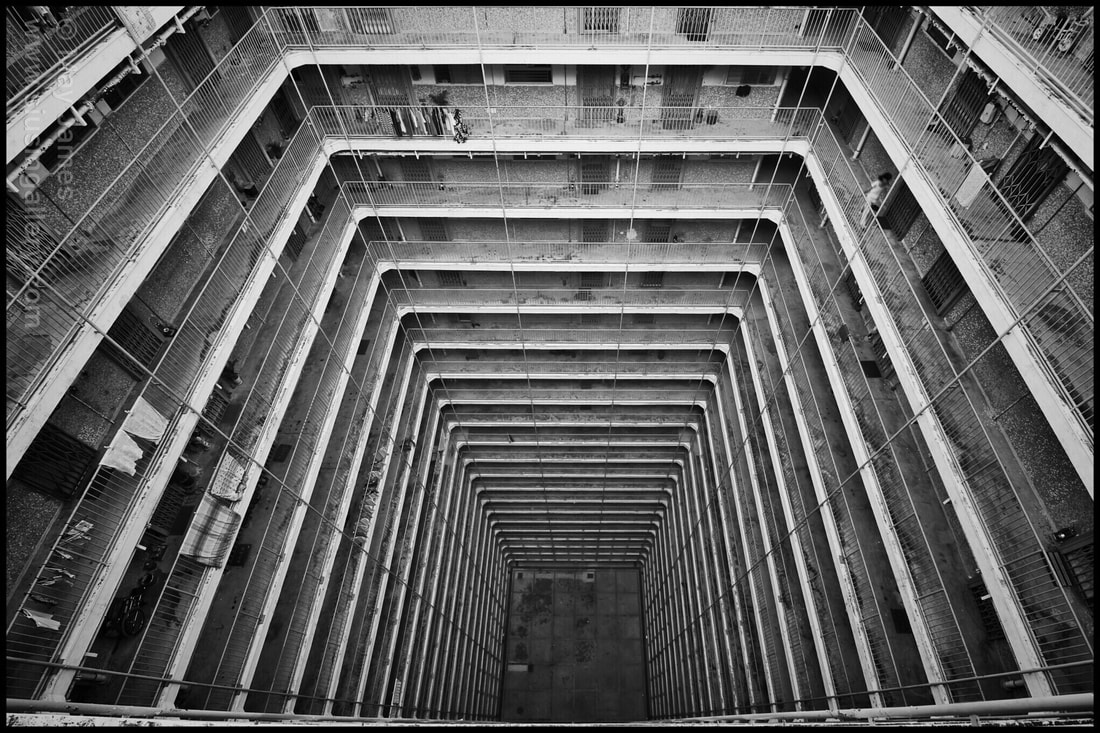
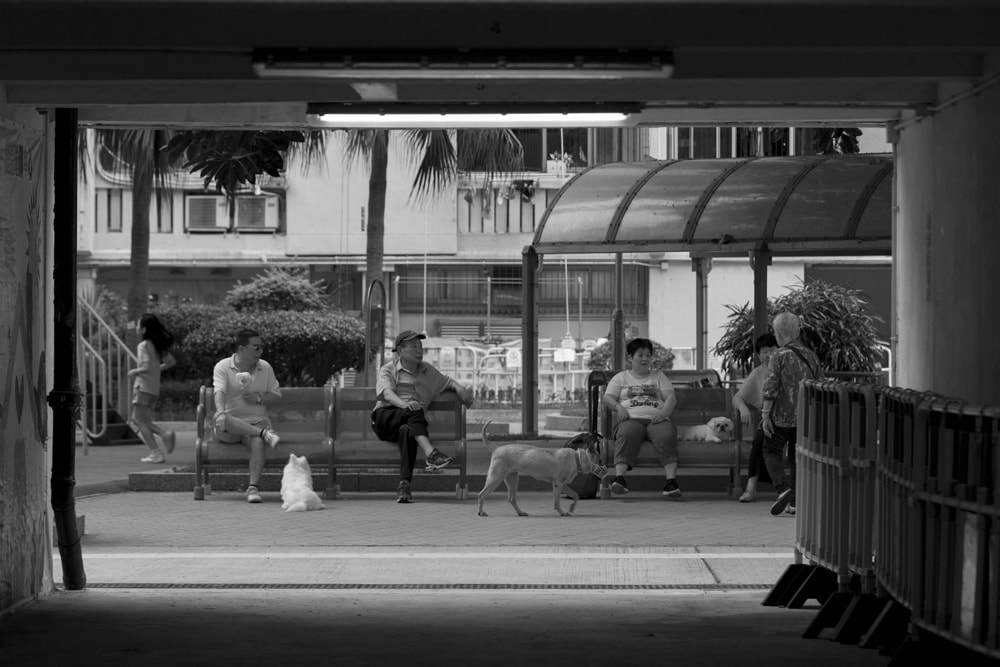
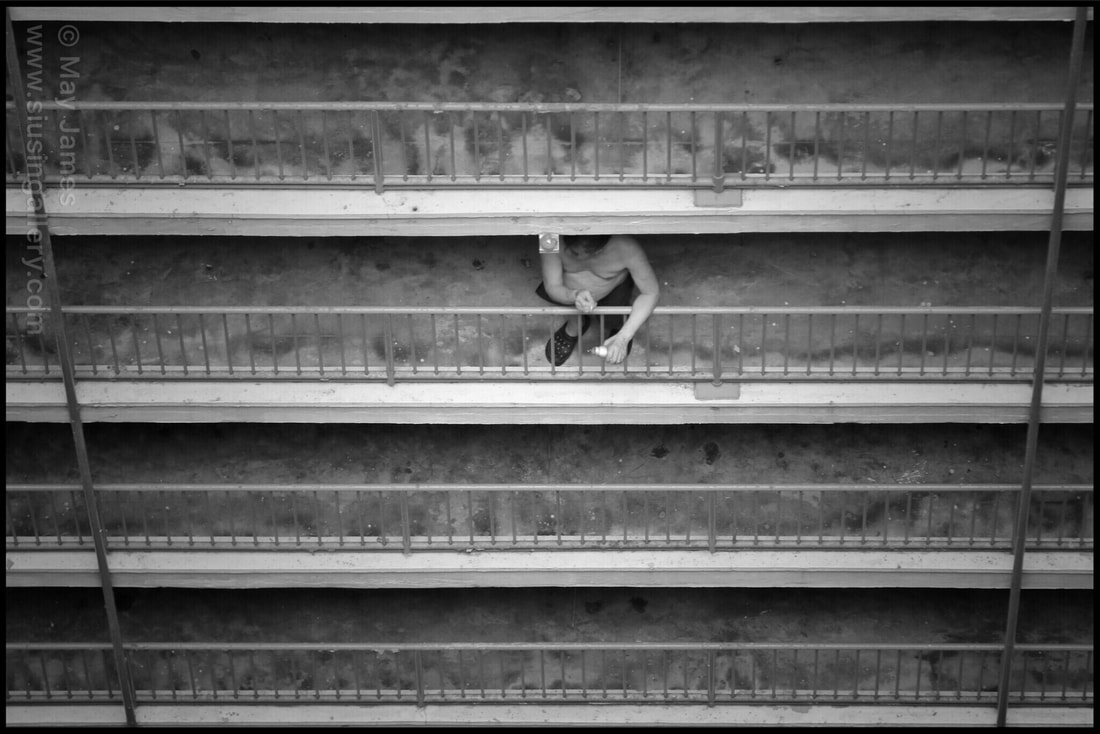
Few years after I was born, my shanty home, built by the bear hand of both my grandma and granddad, was burned down coincidentally after the government failed to reclaim. The government allocated us to one of the public housing in Yuen Long. My sister and my brother together with my mum sharing 350 square foot for the next 7 years there. The everyday life and the emotion we bond between neighbour are much more brotherhood like than the private building I lived in today where all closed door and secured. Perhaps, I might never meet who lived next door! Currently, there are about 750,000 families, around 2 million people, living on public rental estates. The architecture, the way of life and the culture in public housing estates have been evolving over the decades. It really is a collective stories of Hongkonger. I didn’t live in this ‘Twin Tower’ type of public housing. However, when I saw those little kids playing around in the hallway, it reminds me my childhood where we played marbles balls, plastic bag kites during typhoon, making fire with burned candles and fire crackers during the festival. It really bring up tons of memories. Have you lived in one of the public housing? Let’s share your most memorable story here.
1 Comment
|
AuthorMay James Archives
August 2018
Categories |

 RSS Feed